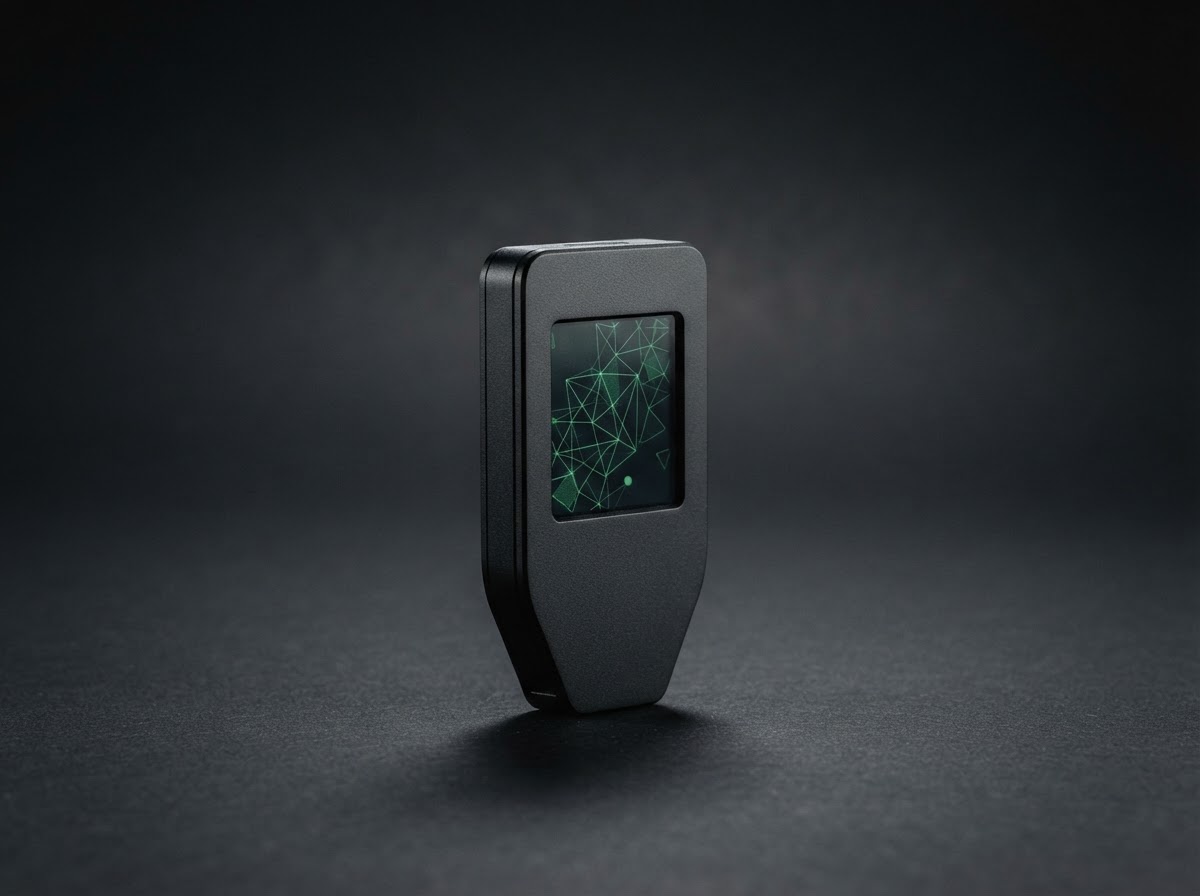
Suite Overview
Trezor Suite is companion software designed to make hardware-wallet tasks easier to review. It brings account balances, transaction history, asset details, and device controls into one interface. The hardware wallet remains central to signing: the application prepares information and presents it, while sensitive approvals are confirmed on the connected device.
Think of the suite as a viewing and coordination layer rather than a vault. Your experience depends on the device, supported assets, network conditions, and the software version in use. Interface labels and available options can change, so use current product documentation for operational decisions.
Desktop Experience
The desktop application is suitable for a regular workstation workflow. A dedicated window can make it easier to compare account activity, inspect addresses, and manage device-related settings without keeping a browser tab open. Before installing, confirm the download source independently and check that your operating system is supported.
On first launch, the app may guide you through connecting a device, choosing accounts, or completing setup prompts. Take time to read each screen. Do not treat unexpected prompts, urgency, or requests to disclose recovery words as normal software behavior.
Web Experience
The web experience offers a browser-based way to access the suite interface without a traditional desktop installation. It can be convenient on a trusted computer, but browser availability does not make every environment equally safe. Use a current browser, avoid public or shared machines, and verify the address and connection before proceeding.
Keep browser extensions to a minimum on financial workflows. If the page behaves unexpectedly or presents unfamiliar steps, stop and verify through official product support resources rather than following links in unsolicited messages.
Device Connection
Connect the wallet using a reliable cable or supported connection method, then unlock it directly on the device. The interface should identify the device and show a clear connection state. Confirm prompts on the device screen, where possible, and compare important details—especially addresses and transaction values—before approving.
If a connection does not appear, try a known data-capable cable, another port, and a direct connection rather than an untrusted hub. Disconnect and reconnect only after closing any active operation. Avoid approving a request simply to clear a prompt.
Account Management
Accounts organize assets and activity by network or account type. Review the selected account before receiving or sending funds: names can look similar, and an asset’s network matters as much as its ticker. Account balances are typically a useful overview, but displayed values can lag or vary with market-price sources and network indexing.
For a receive flow, generate or reveal the address in the app and verify it on the device when supported. For a transaction, check recipient, network, fee, and total before confirming. A submitted transaction may not be reversible; wait for appropriate network confirmations before assuming it is complete.
Security Practices
Security is a set of habits across device, computer, and recovery. Keep the device firmware and companion software current, protect the computer with updates and a screen lock, and store recovery materials offline in a private place. Never photograph or type a recovery phrase into a device connected to the internet. The phrase grants control; anyone who obtains it may be able to move funds.
Pause when a message creates urgency or offers to “fix” an account. Support staff do not need secret recovery information. Navigate to help resources yourself instead of trusting ads, direct messages, or unexpected links. For significant transfers, a small test transaction can help validate your process, while still requiring careful fee and network review.
Updates
Updates may improve compatibility, address issues, or add support. Read the release notes and verify the publisher and source before installing. Keep the device connected only as instructed, maintain a stable power supply, and do not interrupt an update in progress. Back up recovery information safely beforehand—but never enter it into an update page or share it with anyone.
Troubleshooting Basics
When something fails, note the exact message and what you were doing. Check the cable, browser or operating-system compatibility, app version, and network availability. Restarting the app or using a different trusted port can resolve routine connection issues. Avoid repeated attempts if a device displays a security warning or the request details do not match your intent.
Do not share private keys, recovery words, or screenshots containing sensitive data when asking for assistance. Use official support channels reached independently and provide only non-sensitive diagnostic details.
FAQ
Is the desktop app different from the web experience?
They provide related companion workflows, but installation, browser environment, supported features, and update paths may differ. Check current product materials for availability.
Does the app hold my recovery phrase?
The recovery phrase should remain private and offline. Never enter it in the app, a website, or a support conversation.
Why can a balance or transaction be delayed?
Network congestion, indexing delays, or price-feed timing can affect what appears. Verify transaction status using trusted network tools and the transaction identifier, without disclosing secrets.
Final Reference Checklist
Before each session, make a deliberate pass through the essentials:
- Confirm the software source and current version.
- Connect and unlock your device in a private, trusted environment.
- Check the account, asset, and network you intend to use.
- Read and verify addresses, fees, and amounts on the device.
- Keep recovery information offline; stop if anyone asks you to disclose it.
Use Trezor Suite as a practical interface for reviewing wallet activity, while keeping verification and authorization anchored to your hardware device. Slow, deliberate checks are more valuable than speed.